Northern Lights in Snæfellsnes: Your Ultimate Guide to Aurora Hunting in Iceland

Ægir Thor • 23 January 2025

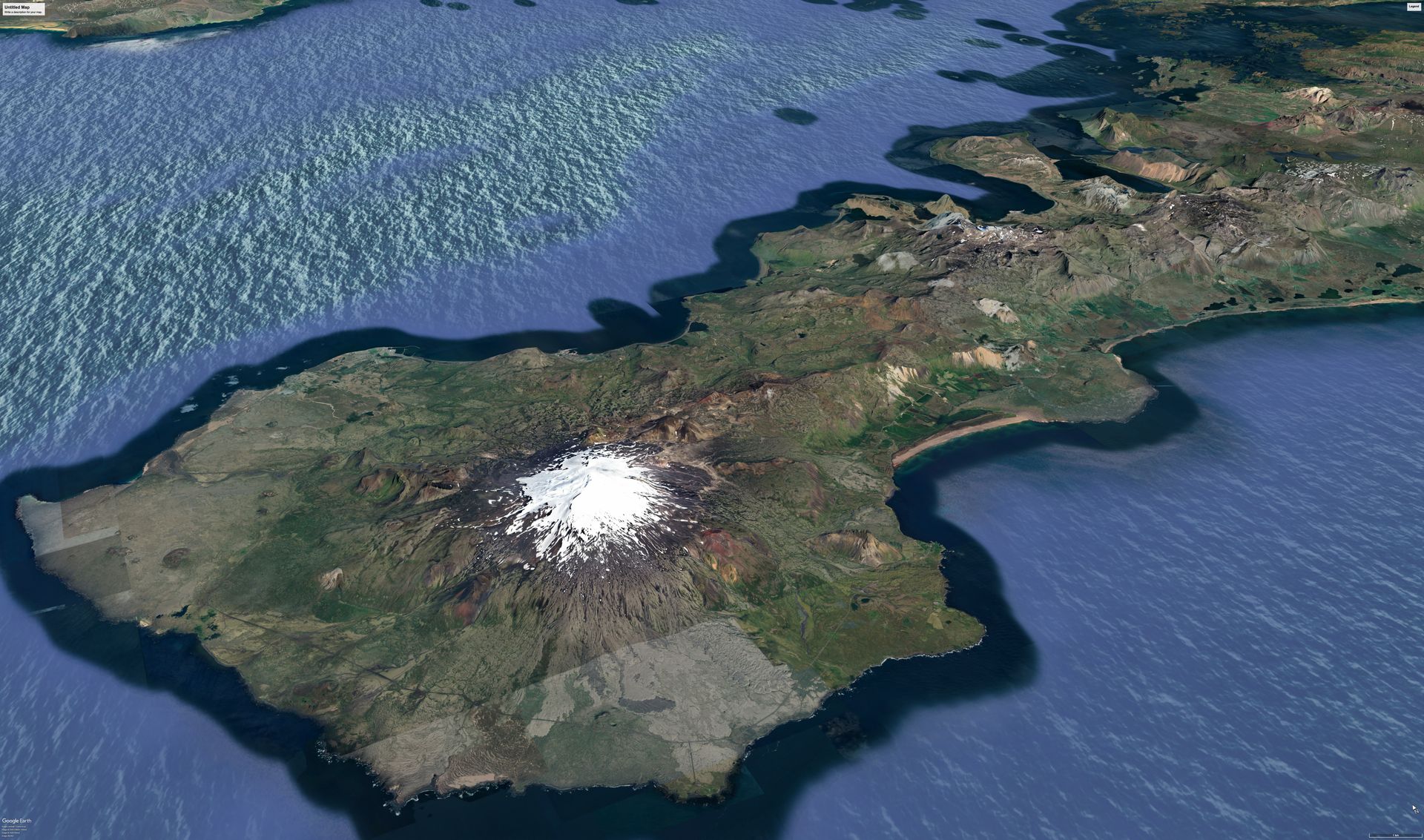
Are you dreaming of witnessing the Northern Lights in Snæfellsnes? Iceland’s majestic Snæfellsnes Peninsula is often called “Iceland in Miniature” because it boasts everything from stunning coastlines and dramatic lava fields to an iconic glacier-capped volcano. But it’s also one of the country’s best-kept secrets for Aurora Borealis viewing. Below, we’ll walk you through the basics of spotting the Northern Lights in Iceland and why Snæfellsnes might just be the perfect place to make that dream come true.


Why Snæfellsnes is a Top Spot for Northern Lights in Iceland

  1. Minimal Light Pollution
    Thanks to its smaller towns and wide-open landscapes, Snæfellsnes experiences less light pollution compared to popular areas closer to Reykjavik. On a clear night, you’ll have dark skies perfect for Aurora spotting.
  2. Dramatic Scenery
    The peninsula features jaw-dropping backdrops like 
    Hreggnasi (Our favorite backdrop for Northern Lights), Kirkjufell (one of Iceland’s most photographed mountains), black-sand beaches, and the legendary Snæfellsjökull Glacier. These scenic landmarks frame the dancing lights, making your photos even more spectacular.
  3. Quiet, Less-Crowded Viewing
    Many travelers rush to the Golden Circle or other well-known spots. Snæfellsnes offers a more relaxed, authentic experience, so you can watch the sky illuminate without feeling overcrowded.


Best Time to See the Northern Lights in Snæfellsnes

While the Northern Lights can appear any time the sky is dark, the typical Aurora season in Iceland runs from late September through mid-April. During these months, nights are long enough for the sky to reveal its colorful displays. December and January have the longest nights, but February and March often provide more stable weather conditions.

Keep in mind that Northern Lights are a natural phenomenon—there’s never a 100% guarantee. However, visiting in the winter months with multiple nights to spare will give you the best chance for a successful sighting.


Tips for Maximizing Your Chances of Seeing the Aurora

  1. Check the Weather Forecast
    Icelandic weather changes quickly. An 
    Aurora forecast combined with a local weather forecast is essential for timing your outing. (This is where our local expertise really comes into play—be sure to read more in our detailed weather forecasting guide for Snæfellsnes below)
  2. Check the Aurora Forecast
    We use the forecast from
    Geophysical Institute of University of Alaska, there are other options as well. 
    Get familiar with this website and learn about the KP values, which for basic understanding is enough to know if conditions are favorable. Generally we don’t go out unless the KP value is greater than 2.
  3. Look North
    Often the displays are quite high above the Northern horizon. During more powerful activity the Aurora belt may move directly above or even further south. Most beautiful displays are when Aurora activity is right above your head, then you get the corona vantage point.
  4. Chase Clear Skies
    Even a strong 
    Aurora Borealis can be obscured by heavy cloud cover. If you notice breaks in the cloud forecast, head to areas with the fewest clouds.
  5. Stay Up Late
    The most vibrant Northern Lights displays often occur between 10:00 PM and 2:00 AM. Plan on being flexible; bring warm clothes, snacks, and prepare to wait if needed.
  6. Embrace the Dark
    Get away from streetlights and major towns. Rural areas near 
    ArnarstapiHellnar, and along the coast towards Djupalónssandur can offer pristine darkness for unbeatable Aurora viewing. The lowest light pollution in Snæfellsjökull National Park can be found near the Vatnshellir Cave and Djúpalónssandur area.


Favorite Locations for Aurora Spotting in Snæfellsnes

  • Kirkjufell Mountain: Often featured in travel magazines, Kirkjufell provides an iconic silhouette beneath the dancing lights.
  • Arnarstapi & Hellnar: Quaint fishing villages with gorgeous sea cliffs—perfect if you want the Aurora to reflect off the water and rugged coastline.
  • Snæfellsjökull National Park: Home to the famous glacier-capped volcano, this area’s high-altitude vantage points can offer wide, sweeping views of the horizon. Also, Hreggnasi and other mountains provide a beautiful backdrop for the Northern Lights.


Local Knowledge Makes All the Difference

The Aurora forecast only tells part of the story. Local knowledge—understanding wind directions, cloud formations, and how weather shifts around Snæfellsjökull—is invaluable for successful Aurora chasing.
Here is our process for finding suitable weather conditions:

We use the Icelandic Met Office forecast. In our experience it provides the most accurate forecast.

Check the wind forecast first. If it’s really windy, then it’s no fun to go Aurora hunting and then it’s also more likely that clouds are present.

Check the precipitation forecast next. If it’s raining, chances are very slim that there is a gap in the clouds.
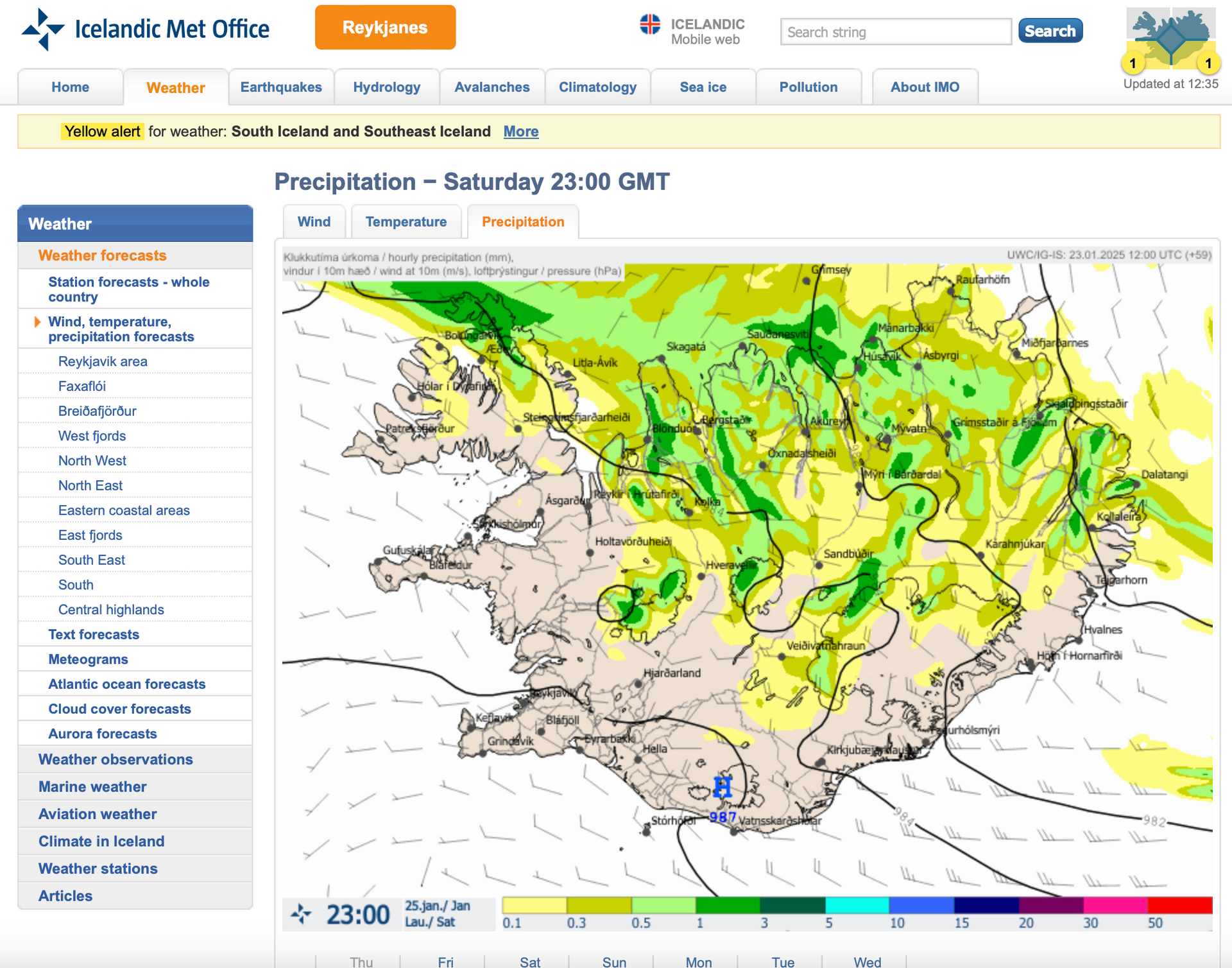
Finally, check the cloud cover forecast. We use the composite forecast for cloud cover, which shows low, mid and high level clouds. With low cloud cover your chances are slim, but often the high clouds have more gaps. Best case is of course if there is no color on the map. Colored areas represent clouds.


Note: For low clouds (blue color), try positioning yourself on the lee-side of mountains. The clouds often dissipate when passing over the mountains. If you’re unsure, try driving around between Arnarstapi and Hellissandur, through the National Park, often there are gaps in the clouds somewhere along the way.


Capture the Magic (Photography Tips)

  • Use a Tripod: The Northern Lights require longer exposure times. A sturdy tripod reduces blur and ensures crisp images.
  • Set manual focus
  • Easy way: set lens on manual focus, turn the focus ring to infinity sign.
  • Professional way: Set your lens on manual focus, use digital zoom to find a star, turn the focus until you make the star as small as possible. You now have a great focus.
  • Manual Settings: Keep your camera on manual mode with a wide aperture (f/2.8 to f/4), or faster if you have fast lens (like f/1.4), a moderately high ISO (800–3200), and a long shutter speed (5–20 seconds). If your camera and lens is light sensitive, try playing around with shorter shutter speed to freeze the movement of the northern lighst. That may give you a clearer image.
  • Bring Extra Batteries: Icelandic cold can drain batteries faster than normal, so pack spares.
  • Don’t Forget to Enjoy the Moment: It’s easy to get lost behind the camera. Take a minute to put the camera down and savor this celestial display with your own eyes.
  • Phone photography: Use tripod if you have one, set your camera to long exposure on night-mode. Modern iPhones have up to 30 sec exposure when on tripod, but 10 second exposure handheld. Learn to capture photos in the dark before coming, you can practice in dark rooms or outdoor at night to learn before arriving.


Bonus point: Do the Northern Lights look like the photos?

The answer is yes and no. The power range of the Aurora is huge. Few days a year on average we have really powerful shows with pink, white and green colors very bright, visible and vibrant to naked eyes. When they’re not powerful, camera tricks can make them look stronger. Many see the less-powerful aurora and think it’s all just a lie. But the power of the Aurora varies a lot!


Come visit Snæfellsnes and let the magic of the Aurora Borealis create memories you’ll cherish for a lifetime.

by Ægir Thor 4 August 2026
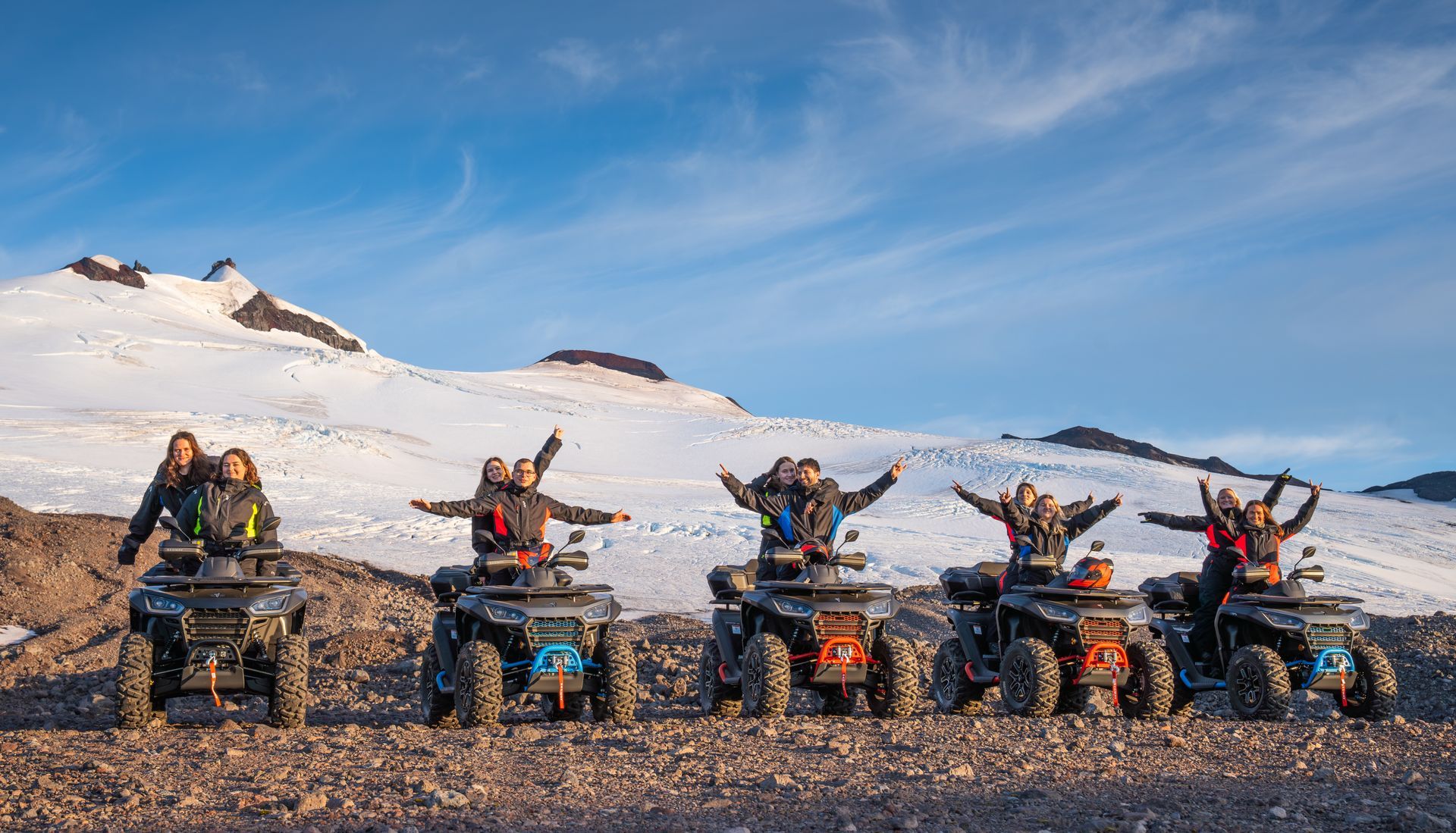
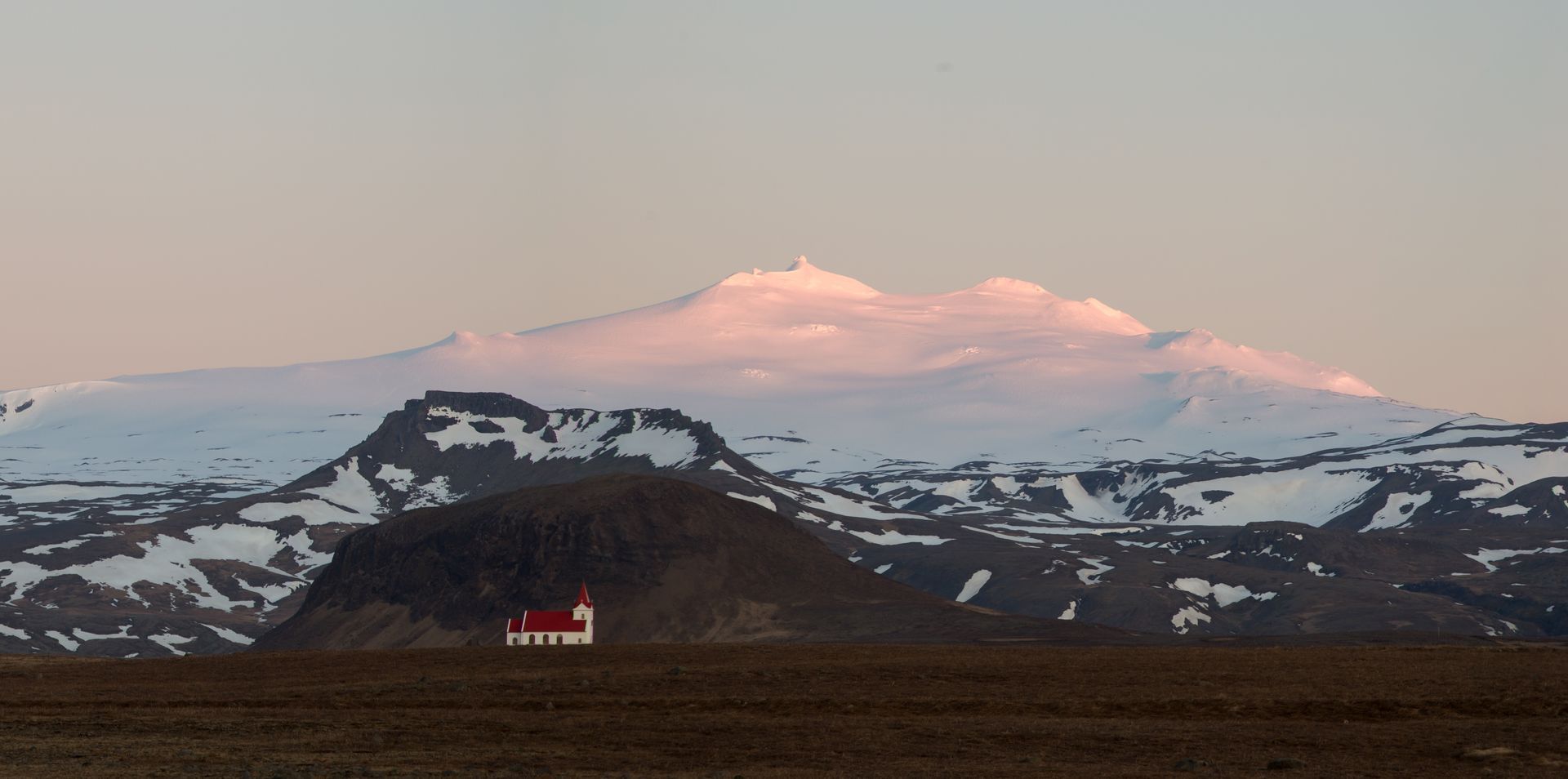
There's a reason Jules Verne chose Snæfellsjökull as the gateway to the centre of the earth. Standing at the base of this glacier-capped volcano, surrounded by black lava fields and jagged pumice, it's easy to believe the ground beneath you leads somewhere extraordinary.  You could hike it. You could photograph it from the road. Or you could climb onto an ATV and actually ride into it — up rugged F-roads, across ancient lava fields, and onto the slopes of a volcanic crater that erupted 1,500 years ago. That's what our Snæfellsjökull Glacier & Lava Fields ATV Tour is built for. It's two hours, no experience required, and it covers ground that most visitors to Snæfellsnes never see — because most visitors never leave the paved road. Why Snæfellsjökull Snæfellsnes is often called "Iceland in a nutshell," and the glacier at its tip is the reason why. Snæfellsjökull is a glacier-capped stratovolcano sitting inside its own national park, and it's been quietly shaping this stretch of coastline for thousands of years — lava fields, craters, and pumice deserts, all stacked up around a single ice cap that's visible from Reykjavík on a clear day. It's also the reason this corner of Iceland shows up in fiction. Jules Verne sent his characters down through Snæfellsjökull's crater in *Journey to the Centre of the Earth*, and locals still half-joke that the mountain has a strange pull on people who spend time near it. Riding an ATV up its lower slopes doesn't require believing any of that — but it's hard not to feel a little of it anyway, especially when the terrain shifts from moss-covered lava to bare volcanic rock in the space of a few minutes. For geology and hiking enthusiasts, the appeal is more concrete: this is a rare chance to get close to glacier moraines, frozen lava flows, and a 1,500-year-old crater without a multi-hour hike or specialized mountaineering gear. What the Ride Actually Looks Like The tour starts easy: smooth paved roads out of Gufuskálar. Then the pavement disappears, and you're on the F-575 — a gravel mountain road that few travelers ever get access to on their own. From there, it's glacier moraines, frozen lava fields, and volcanic slopes for two hours. This isn't a speed run. It's a medium-paced tour designed around the scenery, not adrenaline — which means you'll actually get to look up. On clear days, that means shimmering glacier crevasses, the deep blue of summer ice, and Breiðafjörður Bay stretching out toward the horizon. It's the kind of view that makes people understand why Snæfellsnes gets called "Iceland in a nutshell": glacier, ocean, lava, and volcano, all in one frame. Your guide rides with you the whole way, sharing the geology and folklore behind the landscape — including why this particular glacier has been drawing storytellers and scientists alike for centuries. The terrain itself does most of the work. You'll cross fields of pumice so light it looks almost artificial, ride along the edges of lava flows frozen mid-motion, and climb toward views that open up gradually rather than all at once — a deliberate part of the route, so the glacier reveals itself in stages rather than as a single photo-stop. Because the tour prioritizes scenery over speed, there's room to actually take it in: guides pause at key viewpoints, and the pace stays steady enough that you're not white-knuckling the handlebars instead of watching the landscape go by. Conditions on Snæfellsjökull change with the seasons, so no two tours look quite the same. A ride in July might mean dry gravel roads and long views across Breiðafjörður Bay; a ride in November might mean packed snow and a glacier that looks even closer than it is. Guides adjust the exact route based on weather and road conditions, but the core experience — glacier views, lava fields, and that 1,500-year-old crater — stays consistent. How It Compares to Other Ways to See the Glacier Snæfellsjökull can be viewed from a distance almost anywhere on the peninsula, and plenty of visitors are happy with that. But there are a few ways to get closer, and it's worth knowing where the ATV tour fits: Driving the coastal road : fastest, but you stay well below the glacier and never leave pavement. Hiking : rewarding, but a proper glacier approach on foot is a full-day commitment and requires fitness and, often, technical gear. Snowmobiling on the glacier itself : gets you onto the ice, but only runs in specific conditions and skips the lava field terrain entirely. The ATV tour : covers the F-road approach, the lava fields, and the lower glacier slopes in two hours, with no fitness prerequisite and no experience needed. For most visitors — especially those with limited time on the peninsula — it's the most terrain covered per hour of any option available locally. Who It's For One of the best things about this tour is how accessible it is. You don't need ATV experience — guides walk every rider through the controls before departure, and the pace is forgiving enough for first-timers. Riders as young as 12 can join as passengers, and anyone 17+ with a valid driver's license can drive. Whether you're a family looking for a shared adventure or a couple wanting something more memorable than a scenic drive, this tour fits. What's Included Iceland's weather doesn't always cooperate, so we handle the gear: Insulated coveralls, gloves, boots, and helmets A cargo box on every ATV for cameras, water, and extra layers A full safety briefing and hands-on driving intro before you set off All you need to bring is warm layers to wear underneath — and maybe a camera, because photos from a phone won't quite capture it. When to Go The tour runs year-round, conditions permitting. Summer brings long daylight hours and the best chance of seeing the glacier's blue ice up close. Winter transforms the same route into a snow-covered landscape — availability shifts with conditions, so it's worth checking the booking calendar regularly rather than assuming a date is unavailable. Frequently Asked Questions Do I need ATV experience to join? No. Every tour starts with a full driving introduction and safety briefing before you leave the lot, and the pace is forgiving enough for complete beginners. Can kids come along? Yes — riders aged 12 to 16 can join as passengers. Drivers must be at least 17 with a valid driver's license. What should I wear? Warm layers underneath are the main thing to bring yourself. We provide insulated coveralls, gloves, boots, and helmets, so you're covered even if the weather turns. Is the tour weather-dependent? It runs year-round, but routes and conditions shift with the seasons. In winter, available slots may look limited due to snow — new dates open as soon as conditions allow, so it's worth checking back rather than assuming a date is unavailable. How far in advance should I book? As early as you can. This is one of our most popular tours and it sells out regularly in peak season. Free cancellation and rescheduling up to 4 hours before departure make it low-risk to book early. Book Ahead Tours depart from our main office in Gufuskálar, inside Snæfellsjökull National Park, and tend to sell out during peak season. Cancellations and rescheduling are free up to 4 hours before departure, so there's little downside to locking in a spot early. Book the ATV Tour → Have questions about what to wear, whether kids can join, or how the terrain compares to a hike? Reach out at info@summitguides.is or +354 787 0001 — we're happy to help you plan the visit.
by Ægir Thor 9 May 2025
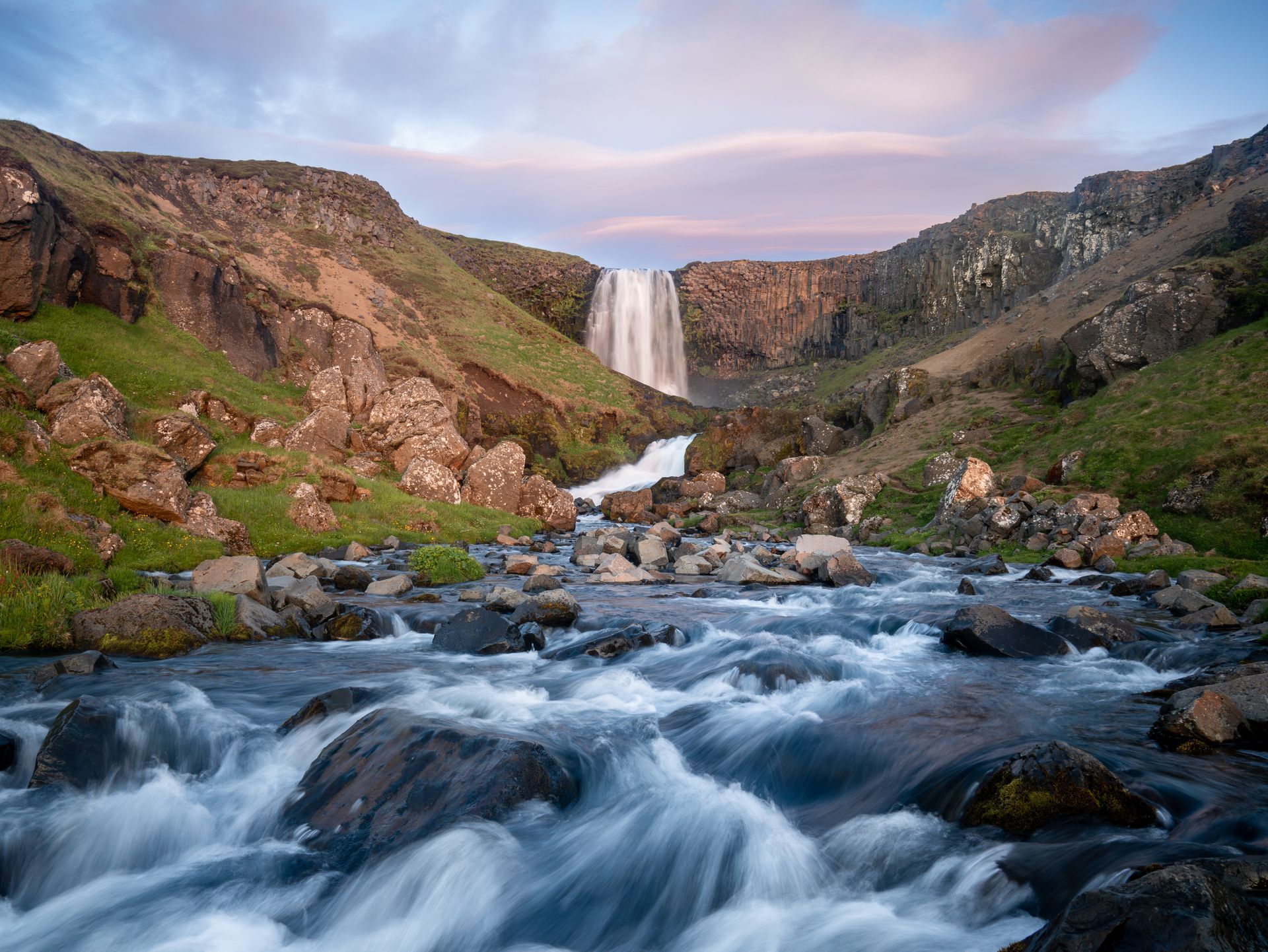
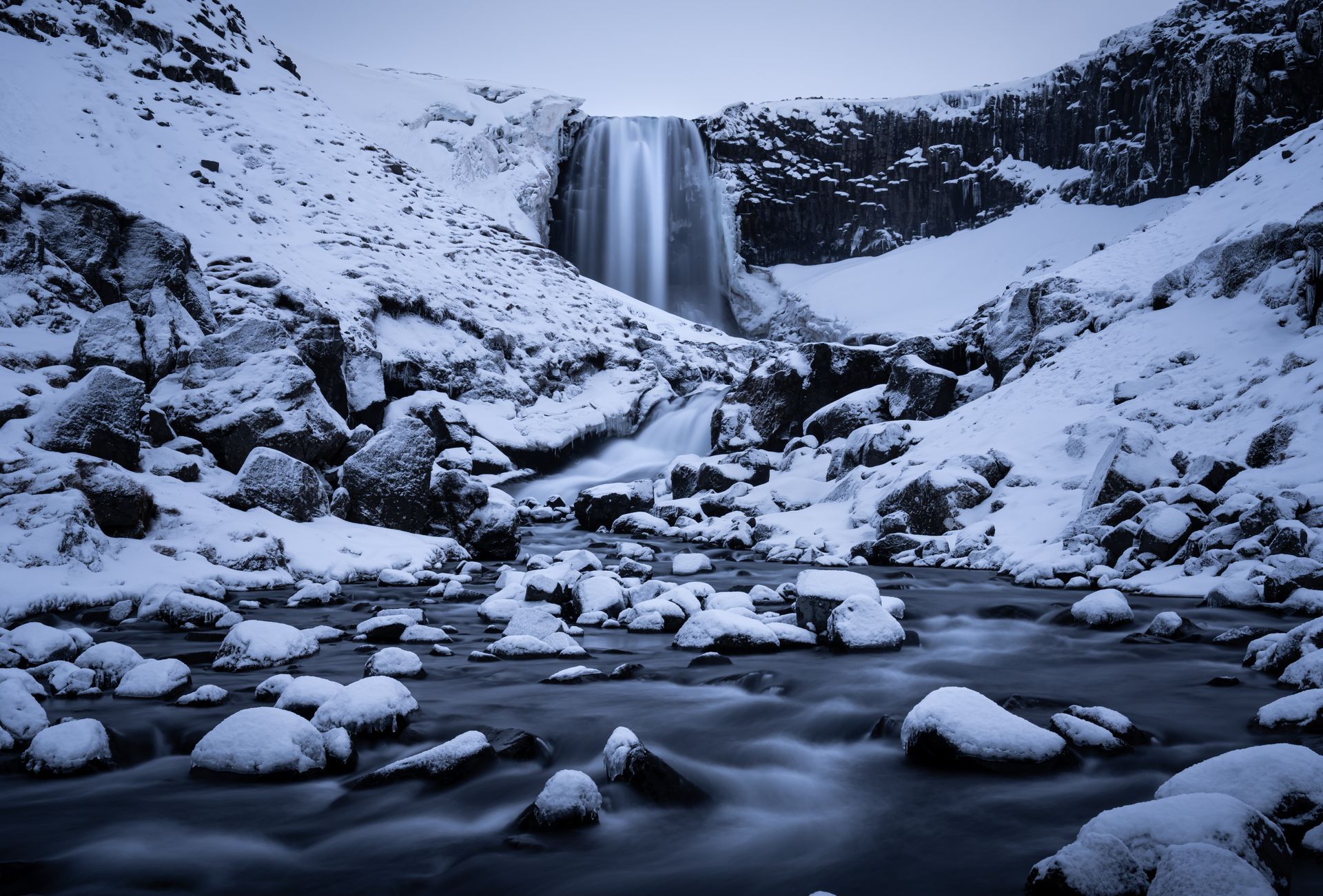
Snæfellsnes has many waterfalls of all shapes and sizes, here are 5 of our favorite waterfalls.
by Ægir Thor 28 February 2025
When you think of Iceland’s Snæfellsnes Peninsula , majestic volcanoes, dramatic coastal cliffs, and sweeping lava fields might come to mind. However, Iceland’s famously unpredictable weather means you could well find yourself with a gray, drizzly day. Don’t worry—a little rain won’t dampen your adventures. Below are some of the top rainy day activities to help you make the most of your visit to West Iceland .
by Ægir Thor 20 February 2025
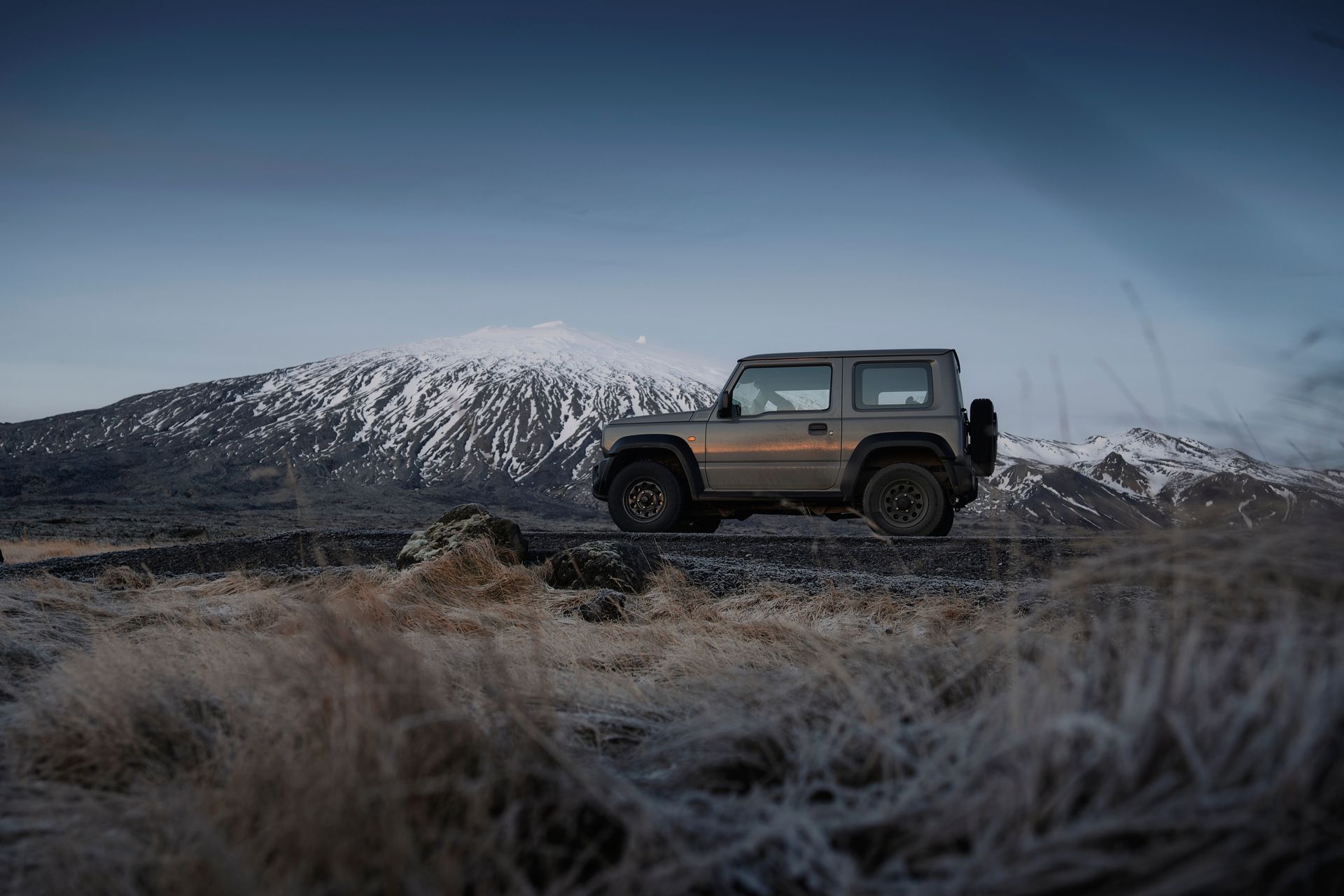
Renting a car: The way we recommend Exploring Iceland
by Ægir Thor 15 February 2025
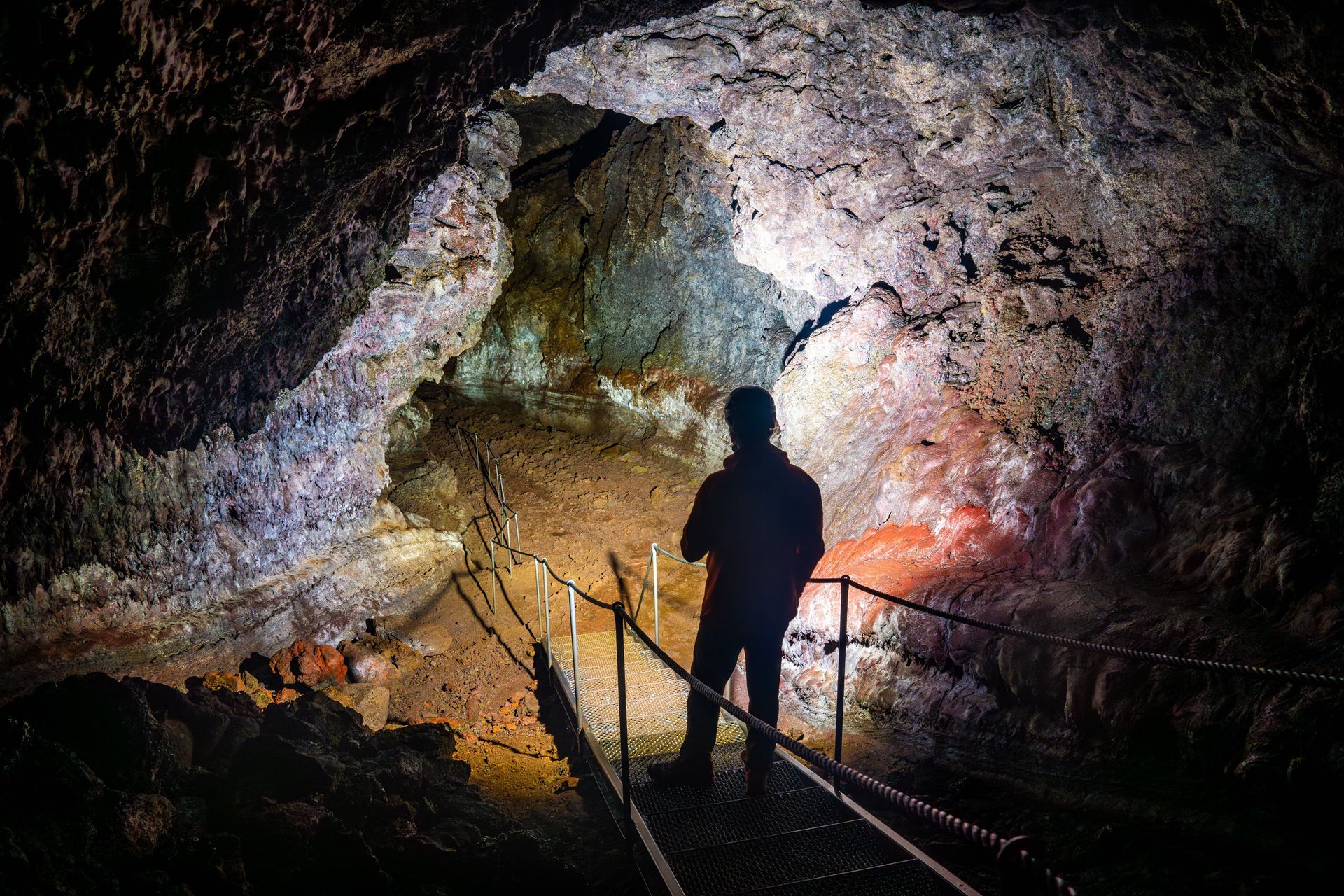
Embark on Your Own “Journey to the Centre of the Earth” in Vatnshellir Cave
by Ægir Thor 4 February 2025
Our top 20 list of attractions and things to do in Snæfellsnes, West Iceland.
by Ægir Thor 15 January 2025
Snæfellsnes, Snæfellsjökull, Snæfellsbær, Snæfells...
by Ægir Thor 10 April 2024
The weather in Iceland is something you should not underestimate. Here in Snæfellsnes the weather is overall quite good throughout the year but it's worth noting that it can change quickly and having a flexible travel plan is a good idea, especially when traveling in winter.